
Figuring Metal Roofing: Calculate and Measure Materials Needed
When planning a metal roofing project, whether for new construction or replacement, accurately determining the required materials is crucial. This involves more than measuring roof dimensions; it requires understanding the roof type, pitch, and features that affect material needs. Precise calculations help control costs, prevent delays, and ensure compliance with permitting requirements. At ocroofkings.com we emphasize the importance of getting the material requirements right to ensure a smooth project, saving time and money while maintaining high-quality standards
Initial Assessment
Before diving into calculations, a thorough assessment of the roof structure is necessary. Begin by inspecting the roof’s condition, pitch, and unique features, and use a calculator to estimate the total area and material requirements based on these factors.
- Inspecting the Roof Structure and Pitch: The slope or pitch of the roof determines the amount of material needed. A steeper pitch increases the surface area, meaning more roofing panels and fasteners will be required.
- Measuring Roof Dimensions: Measure the roof’s length, width, and slope. Include all relevant areas, such as ridges and valleys, in your measurements.
- Identifying Roof Features: Account for any dormers, chimneys, vents, or gutters, as these will require additional materials, such as flashing or custom metal trims.
- Evaluating Existing Roof Condition: Consider the state of the existing roof. If it’s an overlay (i.e., a new roof installed over an old one), it may require special calculations for underlayment and materials.
Calculating Roof Area
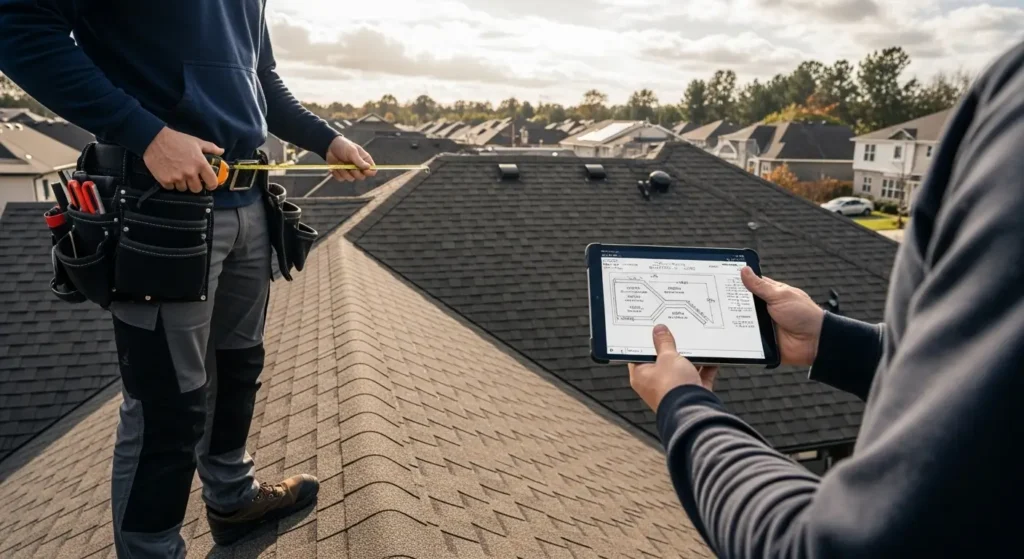
Accurate roof area calculations are the foundation for estimating the right amount of materials.
- Basic Formulas for Flat and Rectangular Roofs: For a flat roof, multiply the length by the width. For a gable or hip roof, use a more complex calculation that accounts for both the horizontal and vertical planes.
- Adjusting for Pitch: A roof’s pitch impacts the material coverage. To calculate the area accurately, multiply the horizontal dimensions by the pitch factor (roof pitch multiplier), which is a standard calculation based on the degree of slope.
- Accounting for Hips, Valleys, and Non-Rectangular Sections: Roofs that aren’t simple rectangles or squares, such as those with hips and valleys, will need adjusted measurements. These areas require additional materials to ensure the roof is properly sealed and finished.
- Estimating Waste Factor: A waste factor accounts for extra material required due to cuts, overlaps, and mistakes. Typically, a 10% waste factor is used for straight sections, while more complex roofs might require a higher waste estimate.
Material Quantities
Next, consider the types and quantities of materials needed.
- Choosing Panel Size and Profile: Metal roofing panels come in various sizes and profiles, each with different coverage rates. Measure the length and width of each panel to determine how many panels will be needed for your roof.
- Fasteners, Clips, and Screws: Fasteners play a critical role in metal roofing installation. Be sure to calculate the quantity of fasteners required per panel or square footage.
- Underlayment Rolls and Overlap Allowances: Underlayment is crucial for moisture prevention. Ensure that you account for overlap at seams, typically 2 to 4 inches, as recommended by the manufacturer.
- Flashing, Ridge Caps, Trim, and Closure Materials: These materials are necessary for finishing edges and seams, such as around chimneys, valleys, and ridge lines. Specific flashing and closure materials are needed for a complete installation.
Accessories and Special Components
In addition to basic roofing materials, you will need to consider special components.
- Valley and Hip Materials: Special valley flashing or custom cuts for hips may be necessary depending on the roof design.
- Skylight and Chimney Flashing Kits: If the roof includes a skylight or chimney, use pre-fabricated flashing kits to ensure proper sealing.
- Snow Guards, Gutters, and Downspouts: For areas with heavy snowfall, snow guards may be required. Additionally, proper gutter and downspout systems must be calculated for water drainage.
- Ventilation Components: Ridge vents and soffit vents are necessary to maintain airflow and prevent moisture build-up within the roofing system.
Labor Estimation

Labor costs vary depending on the roof type, complexity, and access conditions.
- Typical Labor Tasks and Sequence: Metal roofing typically involves tasks such as removing old roofing materials, preparing the underlayment, installing panels, and finishing with trim and flashing. Each task will require time and labor.
- Time Per Square (or Per Panel): Estimate the time needed to install each square or panel needed to cover the roof, based on the roof’s complexity. Typically, one square of roofing (100 square feet) can take several hours to install, depending on factors like pitch and material type.
- Factors Affecting Labor: Roof access, the need for scaffolding or lifts, weather conditions, and the complexity of the roof can impact the amount of labor required.
- When to Hire Specialists: Certain tasks, such as structural repairs or welding, may require specialists who have experience with metal roofs.
Cost Estimating
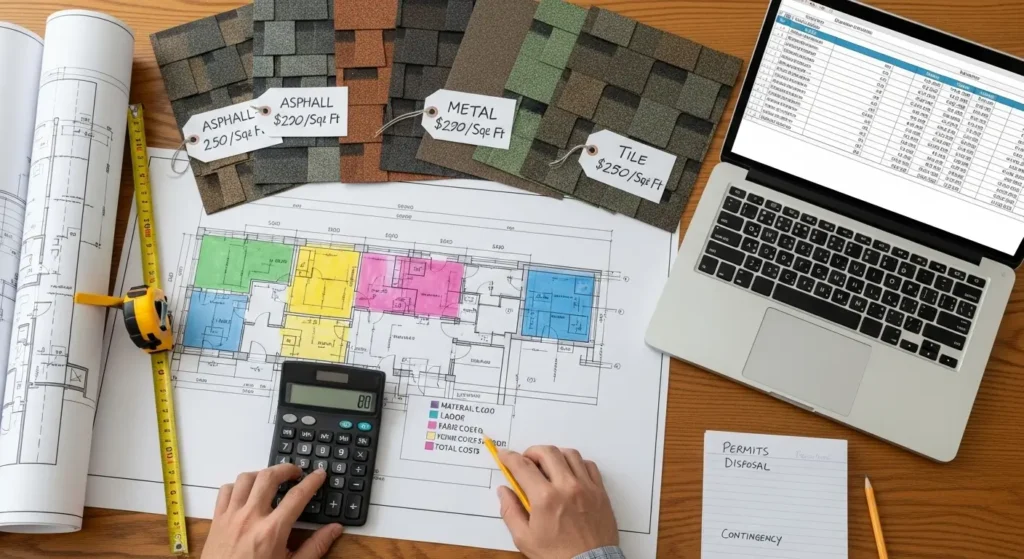
- Material Costs: Prices vary by metal type, gauge (thickness), and finish. Copper and stainless steel, for example, tend to be more expensive than galvanized steel.
- Labor Cost Components: Labor costs should include the cost of the crew, tools, and time. Factor in any markups for overhead and profit.
- Permits, Disposal, and Site Preparation Costs: Depending on local regulations, permits may be required. Additionally, disposing of old roofing materials and preparing the site for installation may incur additional costs.
- Contingency and Profit Margins: Always include a contingency fund to cover unexpected costs. For contractors, markup for profit should also be considered.
Tools and Equipment
A variety of tools and equipment are needed to complete a metal roofing project safely and efficiently.
- Cutting, Fastening, and Seaming Tools: Special tools, such as metal cutters and seamers, are required for accurate cuts and secure fastenings.
- Safety Equipment and Fall Protection: Always ensure the safety of workers with appropriate harnesses, helmets, and guardrails.
- Scaffolding, Lifts, and Material Handling: If the roof is high or difficult to access, scaffolding or lifts may be necessary for safe installation and material handling.
Common Calculation Examples
- Example 1: Calculating panels and screws for a simple gable roof involves determining the total square footage and dividing by the panel coverage. Multiply the total by the fastener requirements.
- Example 2: Factoring in the roof pitch and waste for a hip roof requires adjusting the area calculation based on the pitch multiplier and increasing the material quantity to account for more cuts and angles.
Estimating for Different Scenarios
Roofing calculations can differ based on project type:
- New Construction vs. Re-Roofing: New builds may require more complex material calculations, while re-roofing may allow for material reuse or need adjustments for existing conditions.
- Retrofit Over Existing Roof vs. Full Tear-Off: Retrofitting can save costs, but may require additional considerations for underlayment and flashing.
- Residential vs. Commercial: Commercial roofs may require different materials and specifications, particularly when dealing with larger areas or specialized roof types.
Quality Control and Verification
Once the calculations are made, ensure the materials match the estimates.
- Checklist to Verify Calculated Quantities: Before purchasing materials, cross-check the calculated quantities with your project plan to confirm accuracy.
- Cross-Checking Orders and Deliveries: Double-check that material orders match the quantities and specifications required.
- Adjusting Estimates After Tear-Off or Unexpected Findings: Sometimes, hidden issues (like structural damage) are uncovered during the tear-off phase. Be prepared to change your calculations.
Maintenance and Lifecycle Considerations
Finally, consider the lifespan and maintenance requirements of the roofing materials.
- Expected Lifespan by Metal Type and Finish: Different metals, such as galvanized steel, aluminum, and copper, have different lifespans and maintenance needs.
- Maintenance Tasks and Frequency: Routine maintenance includes cleaning gutters, inspecting flashings, and checking for damage.
- Budgeting for Repairs and Replacements: It’s essential to plan for future repairs and budget based on material longevity.
Sources for Citations
- Roofing Contractor (2023). The Importance of Accurate Material Estimation in Roofing Projects. Retrieved from www.roofingcontractor.com
- Metal Roofing Alliance (2022). Types of Metal Roofing: Benefits and Considerations. Retrieved from www.metalroofing.com
- HomeAdvisor (2023). How to Calculate Roofing Materials for Metal Roof Installation. Retrieved from www.homeadvisor.com
- Energy.gov (2023). Metal Roofing: Sustainable and Efficient Options for Commercial Properties. Retrieved from www.energy.gov
Conclusion
In conclusion, accurate figuring of metal roofing materials, including metal panels, is essential for ensuring the project’s success. By following the steps outlined measuring, calculating, and considering all material and labor components you’ll have a solid understanding of your needs and budget.
For expert roofing services and to ensure accurate estimates for your next roofing project, trust OC Roof Kings. Contact us today at (949) 561-2069 to discuss your project and schedule a free inspection.
By leveraging this information, homeowners and contractors can avoid cost overruns, reduce waste, and complete roofing projects on time and within budget.
KEY TAKEAWAYS
Accurate material calculation is essential for metal roofing projects. It minimizes waste, keeps costs within budget, and ensures timely completion. Consider roof type, pitch, and special components when estimating materials. Always factor in a waste allowance and verify calculations on-site.
Frequently Asked Questions (FAQ’s)
Start by measuring the length and width of your roof, and adjust for the slope with a roof pitch multiplier. Take note of any features like dormers or chimneys, since these may need extra flashing and trim. Add about 10-15% more material to cover waste from cuts and overlaps. Choose the size and style of metal panels you want, then figure out how many you’ll need. Don’t forget to include fasteners, underlayment, flashing, ridge caps, and any other accessories to finish the job.
To figure linear feet for metal roofing, measure the length of each section of the roof where the metal panels will be installed. This includes the ridge, eaves, valleys, and hips. Add up all the lengths of these sections to get the total linear footage needed for the roof. Make sure to account for overlaps or trim, as this can affect your calculations.
One of the most accurate roof measuring apps is RoofSnap. It allows users to create detailed roof measurements by uploading photos or using aerial imagery. This app provides precise measurements, helping you calculate material needs efficiently. Other good options include Hover and Roofer’s Helper, which also utilize drone or satellite technology for accurate roof measurements.