
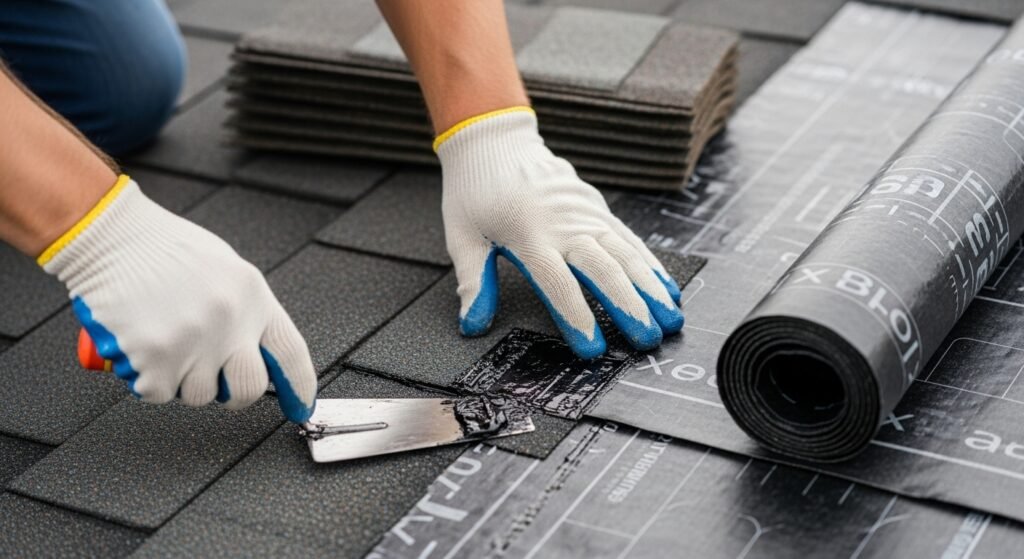
Roof Leak Repair: How to Fix a Leaking Roof
Discovering a roof leak can be a homeowner’s nightmare, but prompt action can prevent significant damage. This guide provides insights into identifying, understanding, and repairing roof leaks, offering solutions for various roofing types and common problem areas. From simple repairs to knowing when to call a professional, this information will help you address a leaking roof efficiently and effectively
Common Causes of Roof Leaks
Common roof leaks often originate from seemingly minor issues that escalate over time. Missing shingles, for instance, leave the roof deck exposed to the elements, allowing water to penetrate and cause rot. Damaged flashing around chimneys, vents, and skylights is another frequent culprit, as these areas are prone to water flow if the sealant fails. Cracks in the roofing material itself, particularly in asphalt shingles or a metal roof, can also cause leaks. Addressing these issues promptly is crucial to preventing further roof damage.
Identifying a Leaky Roof
Identifying a leaky roof early is essential to minimize potential damage, especially from leaks that can drip inside the house. Often, the leak appears as a water stain on the ceiling or walls; however, sometimes the source of the leak is not directly above the stain. A roof inspection can help pinpoint the exact area on the roof where water is entering. Look for missing or damaged shingles, cracked sealant around vents or the chimney, or signs of rot on the roof deck. By carefully inspecting your attic and roof, you can detect these early warning signs and address the roof leak before it causes significant damage.
Impact of Delaying Roof Leak Repair
Delaying roof leak repair can have significant consequences for your home’s structural integrity and your wallet. What starts as a smaller leak can quickly escalate into a major problem, causing extensive rot to the roof deck and supporting structures. Water can seep into insulation, reducing its effectiveness and potentially leading to mold growth. Ignoring a leaky roof can also impact the cost of repairs, as the extent of the damage will likely increase over time. Addressing roof leaks promptly is essential for preventing costly repairs and maintaining the overall health of your home.
Types of Roof Leak Repairs
Repairing Common Roof Leaks
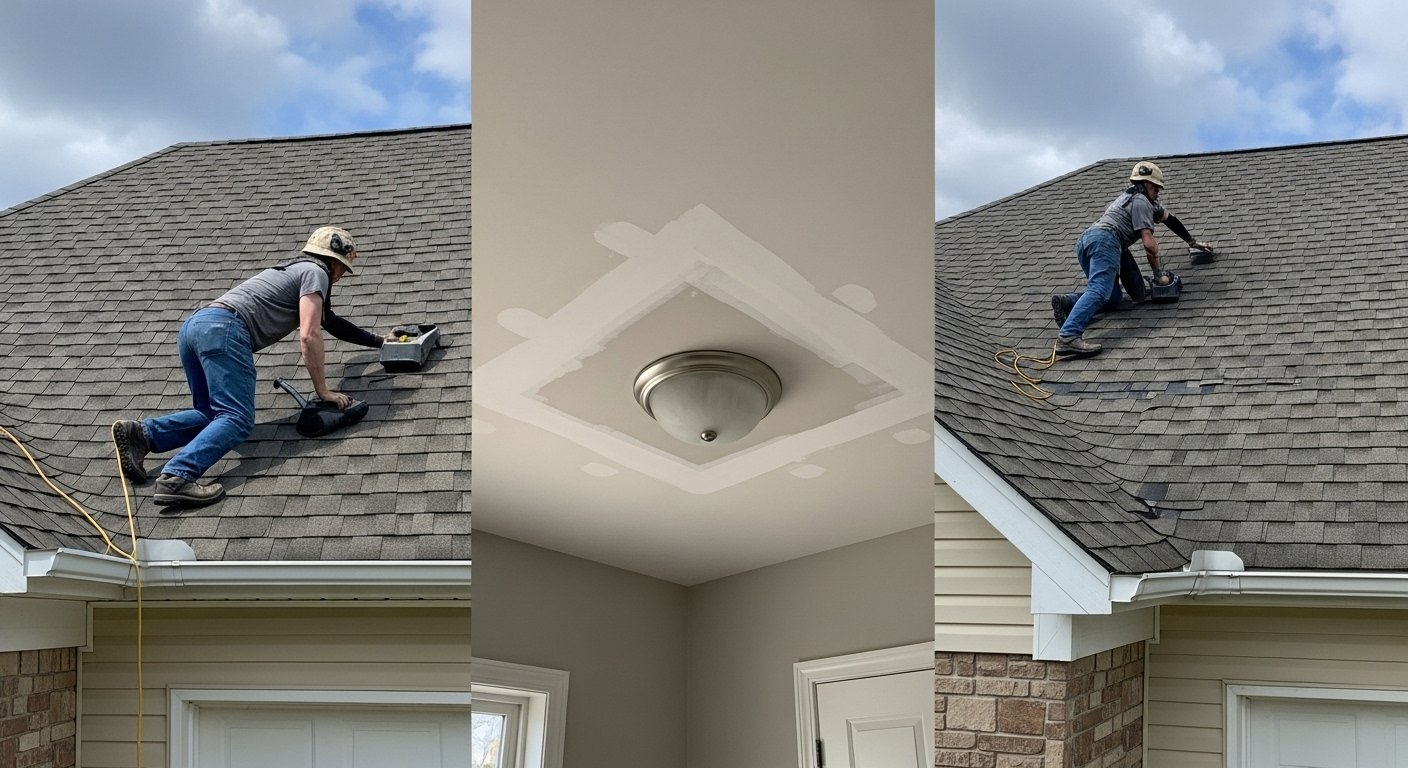
When repairing common roof leaks, addressing the source is paramount. For missing shingles, the process involves removing the surrounding shingles carefully and installing new shingles that match the existing roofing material. Securing them with roofing sealant and nails ensures they remain in place, preventing future water flow. Cracks in asphalt shingles can often be repaired with caulk or roofing sealant, effectively creating a watertight seal and preventing further damage along the pipe. Damaged flashing around vents can be replaced, and applying roofing sealant to the seams further protects against water penetration, preventing leaks inside your house. These simple repairs can prevent smaller leaks from escalating into significant roof damage.
Chimney Leak Repair Techniques
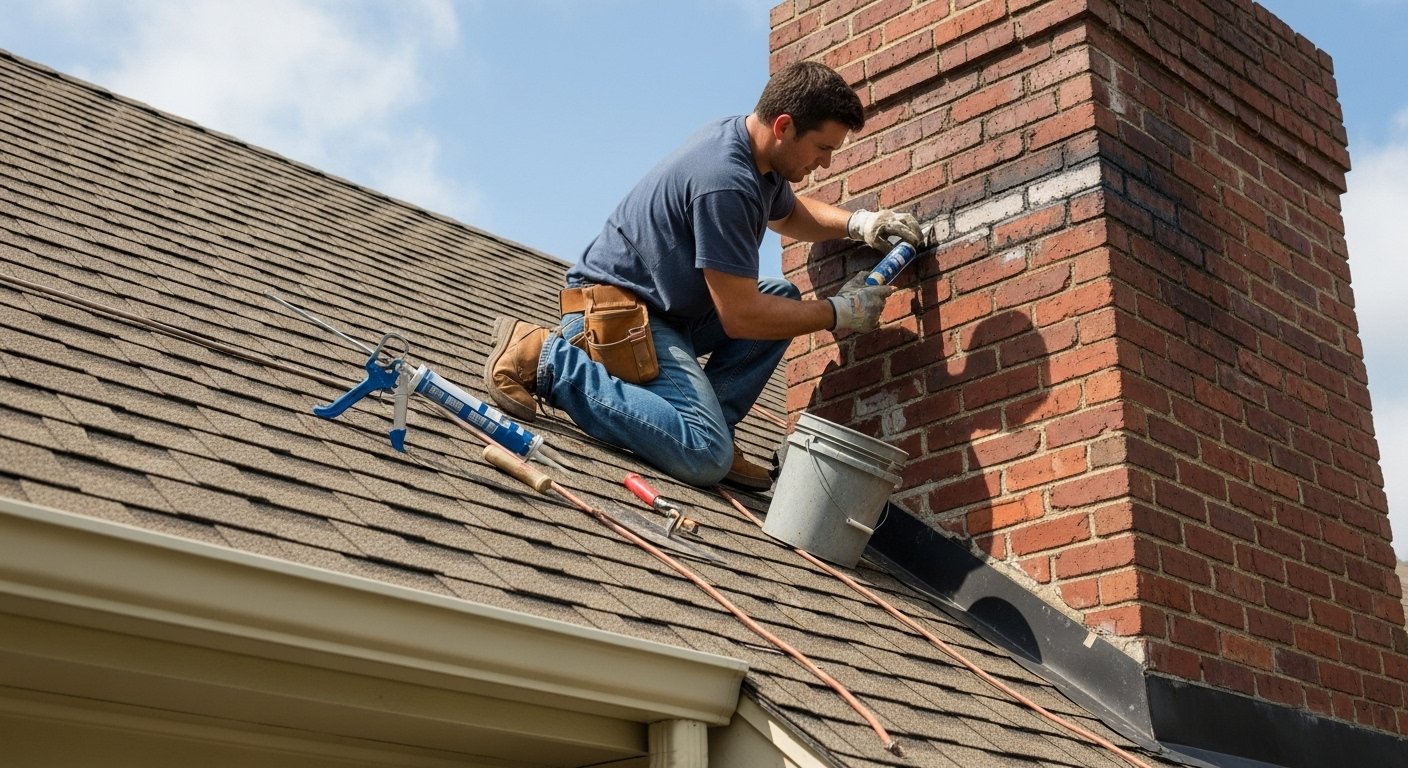
Chimney leak repair requires careful assessment of the chimney itself and the surrounding flashing. Common causes of chimney leaks include damaged flashing or cracks in the chimney crown. The repair process typically involves removing the old, damaged flashing and installing new, properly sealed metal flashing that is securely attached to both the chimney and the roof. For cracks in the chimney, applying a masonry sealant can prevent water from seeping into the brickwork. Addressing chimney leaks promptly is essential, as leaks around chimneys can lead to significant structural damage.
Skylight and Valley Leak Repairs
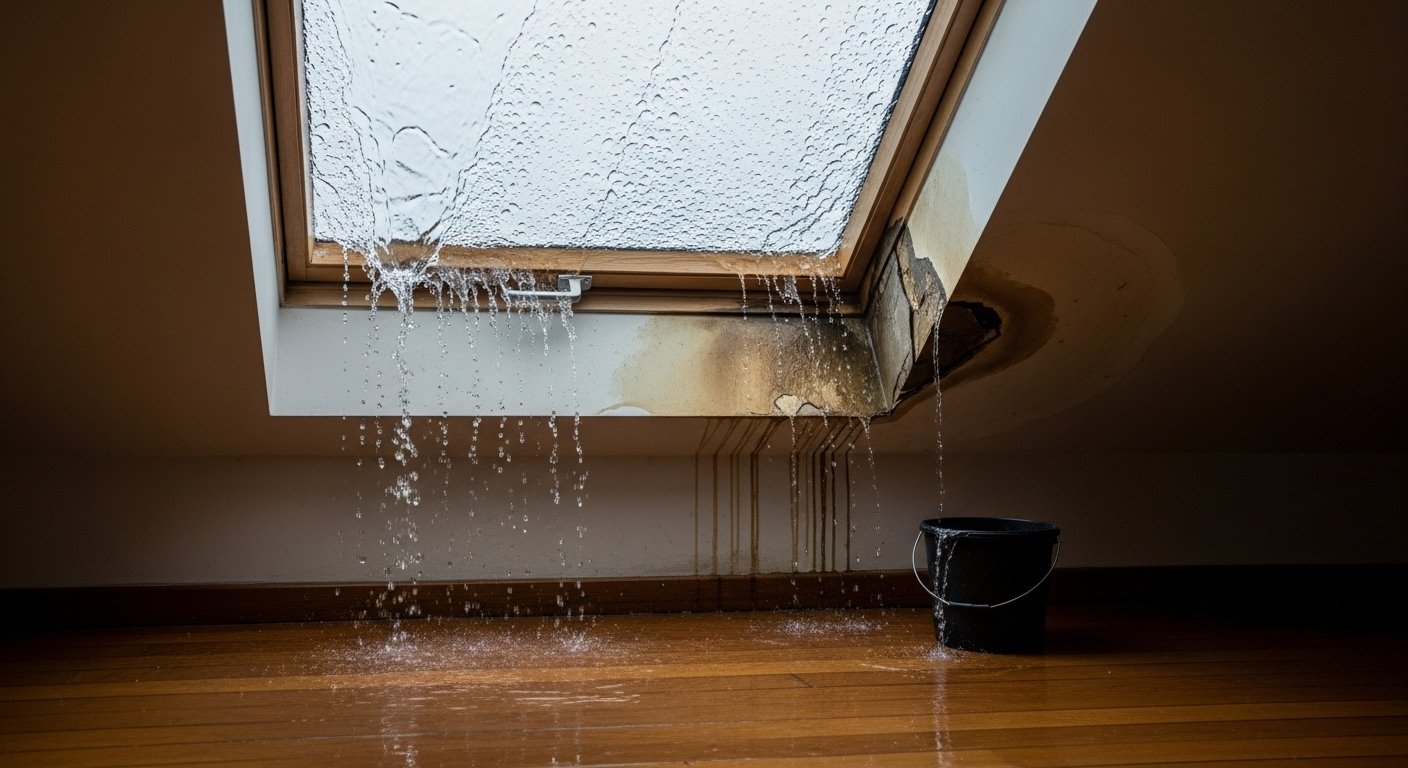
Skylight and valley leak repairs demand specialised attention due to the complex angles and potential for water to accumulate. A leaky skylight often results from damaged flashing or deteriorated sealant around the skylight frame. The repair typically involves removing the old sealant and installing new roofing sealant to create a watertight seal, particularly in areas like roof valleys and around the chimney flashing. Valleys on a roof, where two roof slopes meet, are particularly vulnerable to leaks, especially if standing water accumulates. Repairing roof leaks in valleys often requires removing the shingles and installing new flashing designed to direct water away from the area.
The Roof Leak Repair Process
Preparation for Leak Repair
Before embarking on a roof repair to address a leaking roof, preparation is crucial for ensuring a successful outcome. A thorough roof inspection should be conducted to pinpoint the exact source of the leak and assess the extent of the damage. This involves carefully examining the roof for missing shingles, cracks in the roofing material, and deteriorated sealant around vents, skylights, and the chimney. Additionally, clear the area on the roof surrounding the leak of any debris, such as leaves or branches, that could hinder the repair process. Safety precautions, such as wearing appropriate footwear and using a secure ladder, are essential when working on the roof. Taking these preparatory steps ensures that the repair is performed efficiently and effectively, preventing further roof damage and the need for replacing the entire system.
Steps for Effective Roof Leak Repair
Effective roof leak repair involves a systematic approach to identifying and addressing the source of the leak, thereby preventing future occurrences. The first step is to carefully remove any damaged flashing or missing shingles in the affected area on the roof, particularly in roof valleys where water may accumulate. Next, clean the roof deck thoroughly and apply roofing sealant to create a watertight barrier. If necessary, install new shingles or metal flashing, ensuring they are properly secured with nails and roofing sealant to avoid leaks in roof valleys. For cracks in the roofing material, apply caulk or roofing sealant around the chimney flashing to seal the crack and prevent water from flowing through. Once the repair is complete, conduct a water test to ensure that the leak has been effectively addressed. Following these steps ensures a durable and long-lasting roof repair, which is essential for effective home improvement.
Tools and Materials Needed
Having the right tools and materials is essential for any roof leak repair project, particularly when flashing needs to be replaced. The necessary tools typically include a pry bar for removing shingles, a hammer or nail gun for securing new shingles, a utility knife for cutting roofing material, and a caulk gun for applying roofing sealant. Essential materials include replacement shingles that match the existing roofing material, metal flashing for chimneys and valleys, roofing sealant to create a watertight seal, and roofing nails, as well as any flashing that needs to be replaced. Depending on the extent of the damage, additional materials may include plywood for repairing the roof deck and underlayment for added protection against water that can seep around the chimney flashing. Proper preparation with the correct tools and materials ensures that the repair process is efficient and effective, especially when dealing with flashing or shingles.
Preventative Measures for Roof Maintenance

Regular Inspections and Maintenance
Regular roof inspection and maintenance are essential to preventing roof leaks and extending the life of your roof. Schedule inspections at least twice a year, preferably in the spring and fall, to identify potential issues early. Look for missing or damaged shingles, cracks in the roofing material, and deteriorated sealant around vents, skylights, and the chimney. Addressing these smaller leaks with simple repairs promptly can prevent them from escalating into major problems and expensive repair costs, especially if they drip inside the house.
Proper Caulking and Flashing
Proper caulking and flashing installation are vital components of roof maintenance, preventing water flow and protecting vulnerable areas of the roof that can lead to leaks. Ensure that all flashing around chimneys, vents, and skylights is in good condition and properly sealed to prevent water from seeping in. Inspect the sealant regularly and reapply as needed to maintain a watertight seal. Pay special attention to areas such as valleys and where the roof meets the walls, as these are prone to leaks if not adequately sealed, which can potentially lead to standing water. By maintaining proper flashing and sealant around these parts of the roof, you can prevent roof leaking issues and protect your home from water damage.
Maintaining Roof Vents and Gutters
Maintaining roof vents and gutters is crucial for preventing roof leaks and ensuring proper ventilation, as clogged gutters can cause water to drip inside the house. Ensure that roof vents are free of obstructions, allowing air to circulate and prevent moisture buildup. Clogged gutters can cause water to back up onto the roof, resulting in leaks and potential roof damage. Regularly clean gutters and downspouts to remove leaves, debris, and other obstructions, ensuring that water is directed away from the foundation and does not drip inside the house. Proper ventilation and clear gutters are essential for a healthy roof and preventing water flow issues that can lead to costly repairs.
Cost Factors in Roof Leak Repair

Factors that Impact the Cost of Repair
Several factors impact the cost of roof leak repair, including the source of the leak, the extent of the damage, the type of roofing material, and the complexity of the repair. Common roof leaks, such as missing shingles or minor damaged flashing, may be a simple repair, while more extensive damage to the roof deck or around chimneys will require more time and materials, increasing the final cost. The type of roofing material can also affect repair costs.
Estimating Repair Costs
Estimating repair costs for a leaky roof involves assessing the extent of the damage and the materials needed to address the issue. A thorough roof inspection by a qualified roofer is essential for accurately determining the source of the leak and the scope of the repair, especially in different roof types. Obtain multiple quotes from reputable roofing companies to compare pricing and ensure you are getting a fair estimate. The estimate should include the cost of materials, labor, and any additional expenses.
When to Call a Roofing Professional
Knowing when to call a roofing contractor is crucial for ensuring that roof leak repair is performed safely and effectively. While some simple repairs can be addressed by homeowners, more complex issues require the expertise of a professional roofer. If you are uncomfortable working at heights or lack experience with roof repair, it is best to hire a roofing contractor. A roofing professional can accurately assess the source of the leak, provide a comprehensive repair plan, and ensure that the roof is properly sealed to prevent future leaks.